



Electrical systems do not usually demand attention until something stops working. Even when everything appears fine, hidden wear or outdated components can still be present. Home electrical inspections help you understand the condition of your system and whether it meets current safety standards in New Jersey.
If you are buying a home, planning a renovation, or have not had your system reviewed in years, electrical inspections provide clarity and direction.
What Is an Electrical Inspection?
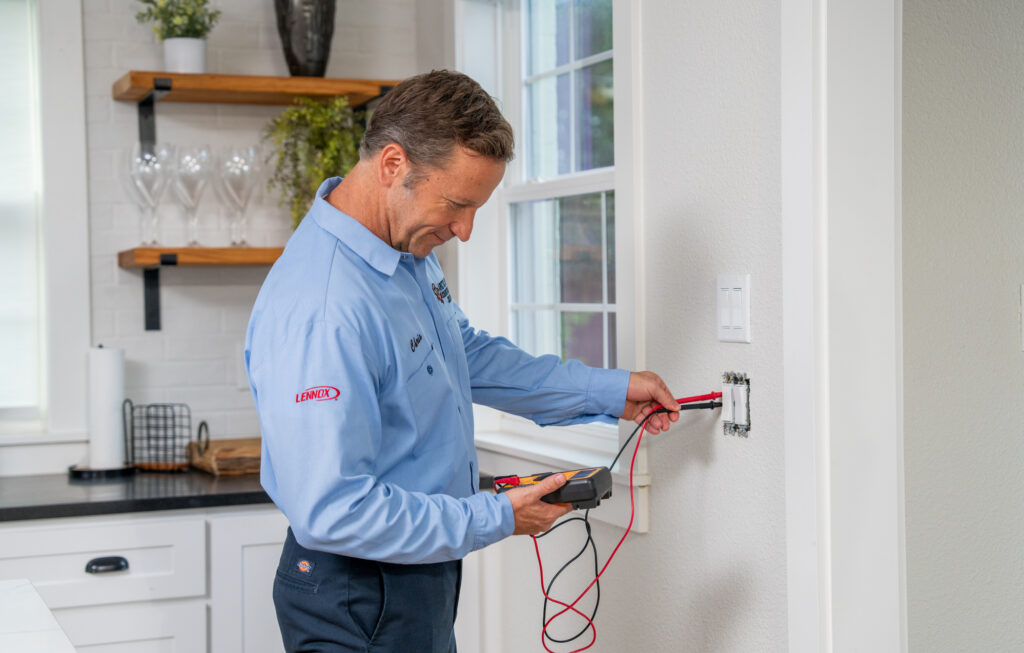
An electrical inspection is a detailed evaluation of your wiring, panels, outlets, and safety components. During home electrical inspections, a licensed electrician checks whether your system is functioning properly and safely.
A professional electrical safety inspection includes testing and verification to uncover hidden issues before they create larger problems.
Why Are They Important?
Electrical systems power nearly everything in your home. When something is off, it can affect comfort, performance, and safety.
Home electrical inspections can:
- Identify overloaded panels
- Detect loose or damaged wiring
- Confirm proper grounding
- Verify GFCI protection in required rooms
- Reduce fire risk
In many older New Jersey homes, wiring may not align with modern code requirements. An electrical home inspection helps identify those gaps.
What Does an Electrician Look For?
During electrical inspections, an electrician evaluates both visible and accessible components of your system.
They check:
- Panel condition and breaker sizing
- Signs of overheating or corrosion
- Loose wiring connections
- Proper installations
- Surge protection devices
- GFCI outlets in kitchens, bathrooms, and basements
If concerns are found, they can often be addressed through electrical repair before they get worse.
What Components Are Inspected?
A detailed electrical safety inspection typically includes:
- Electrical panels and breakers
- Outlets and switches
- Wiring and connections
- Grounding systems
- Smoke and carbon monoxide detectors
- Surge protectors
- Interior and exterior lighting
- Ceiling fans
Home electrical inspections look at how these components operate together as a complete system.
When Should You Schedule Home Electrical Inspections?
There are several situations when scheduling electrical inspections makes sense:
- Before purchasing or selling a home
- After major remodeling work
- If your home is more than 20 years old
- If breakers trip frequently
- If lights flicker or dim
Even if everything seems to be working properly, periodic inspections can identify potential safety concerns early.
If you need additional electrical services beyond inspections, your electrician can recommend the appropriate next steps.
Schedule an Electrical Inspection Today
Electrical issues rarely announce themselves clearly. Home electrical inspections provide a structured review of your system, so you know exactly where things stand.
If you are ready to have your system evaluated, Schedule Online to book your inspection today.
Schedule OnlineFrequently Asked Questions
While not required annually, home electrical inspections are recommended for older homes, homes undergoing renovation, or properties involved in real estate transactions.
The purpose of electrical inspections is to verify safety, identify potential hazards, and ensure compliance with current electrical standards.
Most electrical inspections take between one and two hours depending on home size and system condition.
If issues are discovered, your electrician will outline repair options, which may include electrical repair or component upgrades.
Yes. During home electrical inspections, the breaker panel is carefully evaluated. The electrician checks breaker sizing, signs of overheating, loose connections, and overall panel condition to ensure the system is operating safely.
Yes. Many older New Jersey homes have outdated wiring or panels that no longer meet current standards. Electrical inspections help identify those risks early so they can be addressed before they lead to system